Free · No sign-up · Australia-wide
Rental Yield & Cash Flow Calculator
Calculate gross and net rental yield from purchase price and weekly rent, and see the weekly cash flow after interest, council rates, insurance, strata and management — including the rent you would need just to break even.
- Gross + netBoth yields, side by side
- 7Cost lines counted, not skipped
- Break-evenThe rent that covers it all

The property
Every dollar of rent
Where the rent actually goes
Sorted largest first, against $32,240 of advertised rent a year. Yield is the headline; this is the part that decides whether you can hold it.
- Loan interest$48,856
- Council rates$2,200
- Insurance$1,600
- Maintenance$1,500
- Property management$1,896
- Vacancy allowance$645
- Out of your pocket−$24,457
The rent that matters
Break-even rent is $1,135 a week
At $620 you are $515 a week short of covering costs.
- −$50 a week−$516a week at $570 rent · 3.01% gross
- As entered−$470a week at $620 rent · 3.27% gross
- +$50 a week−$424a week at $670 rent · 3.54% gross
Rent is the one number here you cannot set yourself — the market does. What a property has actually been leasing for in that street beats any estimate.
The number agents quote
Gross yield and net yield are not the same conversation
A listing quotes gross yield because it is the larger number and needs no assumptions. It is not wrong, it is just the figure before anything has been paid for. Three yields describe the same property, and they answer different questions.
- Gross yieldAnnual rent divided by price. Useful for comparing properties quickly, useless for working out whether you can hold one.
- Net yieldAfter rates, insurance, strata, maintenance, management and vacancy — but before the loan. This describes the property itself, whoever owns it.
- Cash flowAfter the loan interest as well. This is what actually leaves or enters your account each week, and it is the only one you feel.
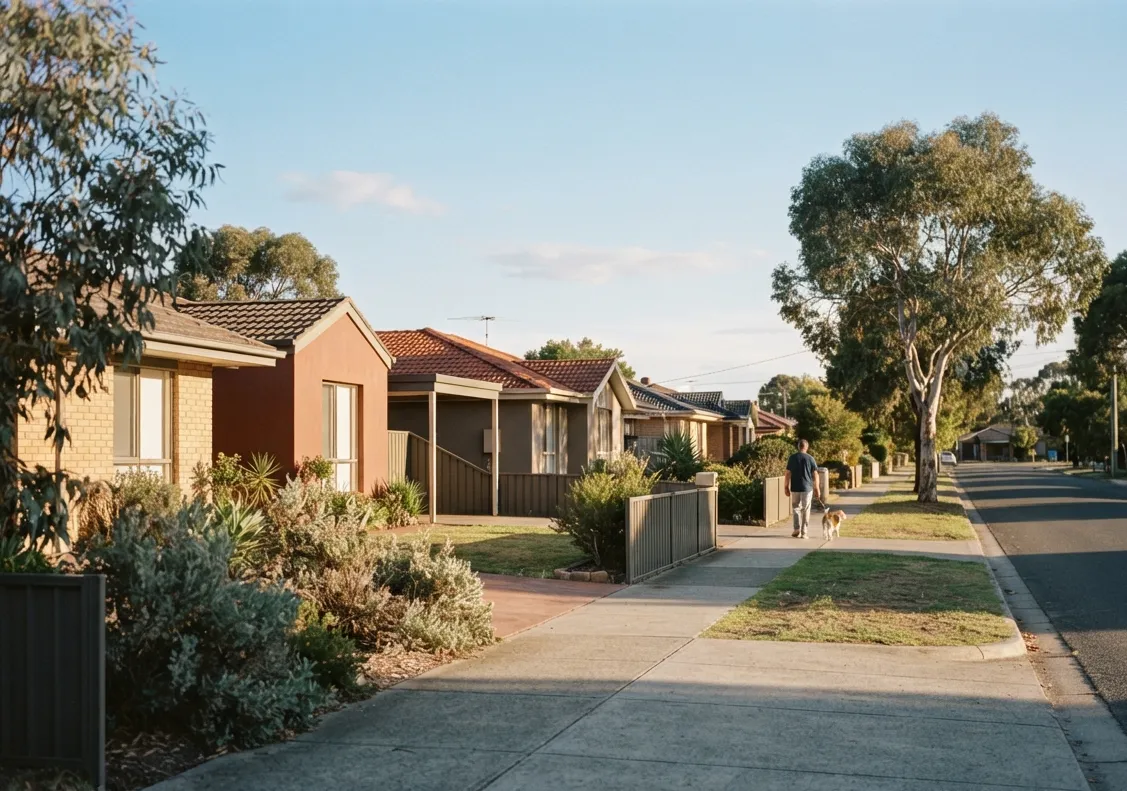
The rent is a guess until you check the street
Yield is only as good as the rent behind it. What comparable properties have actually leased for nearby, how long they sat, and what is being built next door all move the number — and none of it is on the listing.
What moves the number
Where yield sums usually go wrong
Not through bad maths. Through costs that were never entered in the first place.
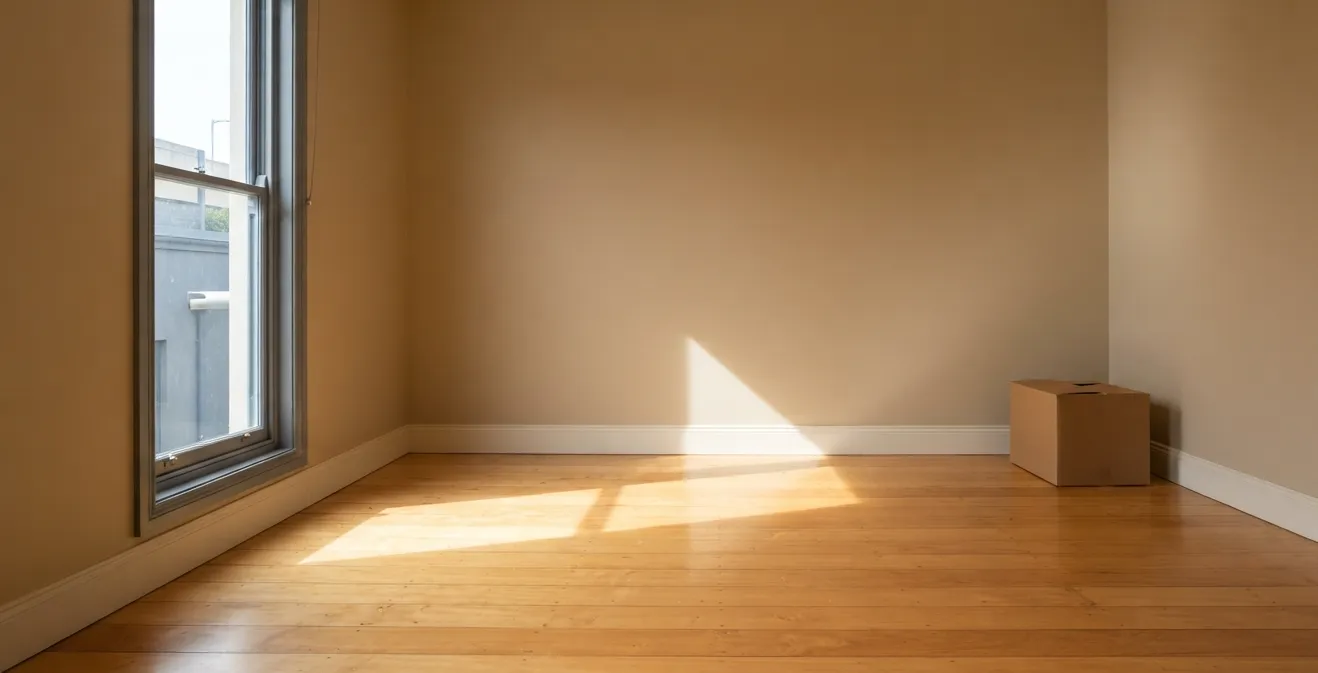 The weeks it sits emptyA property earns nothing between tenants, and re-letting takes time even in a tight market. Two vacant weeks a year is roughly 4% off the rent before anything else is paid.Rarely in the listing
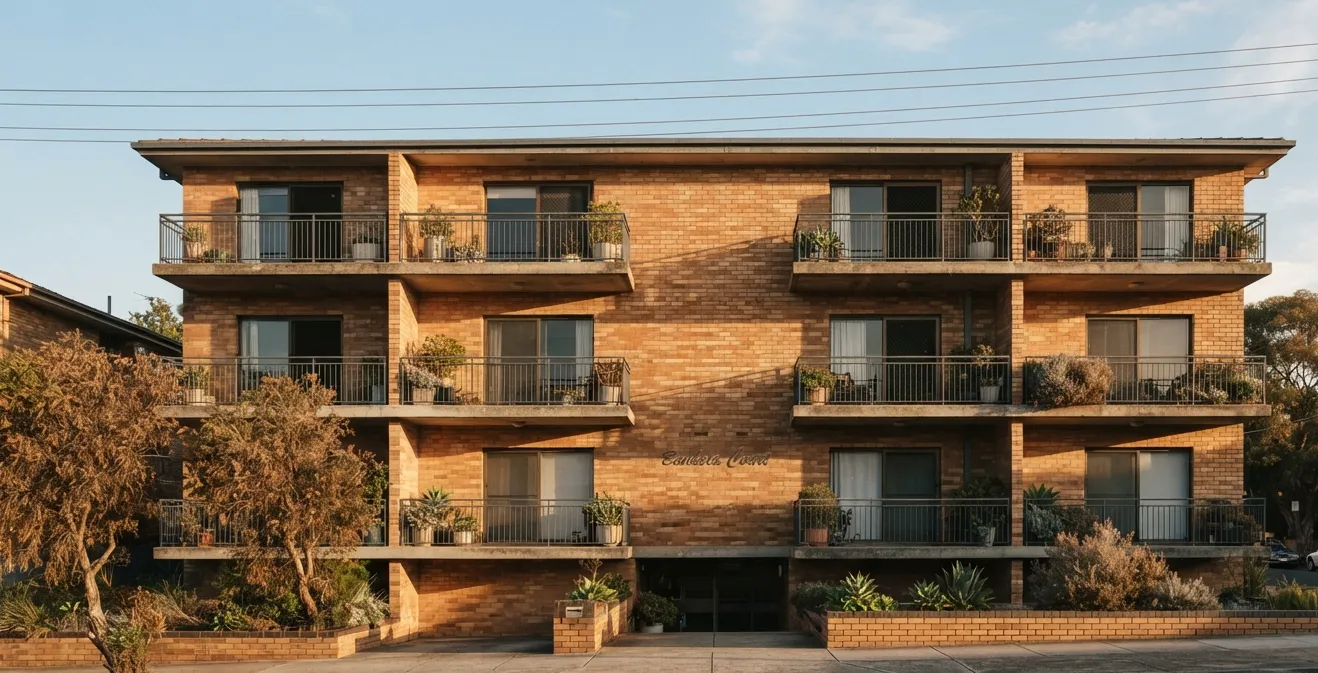 Strata, on anything sharedOn a unit or townhouse, body corporate fees are often the single largest running cost, and they can rise sharply after a building report. Worth reading the minutes before you rely on the number.The biggest line
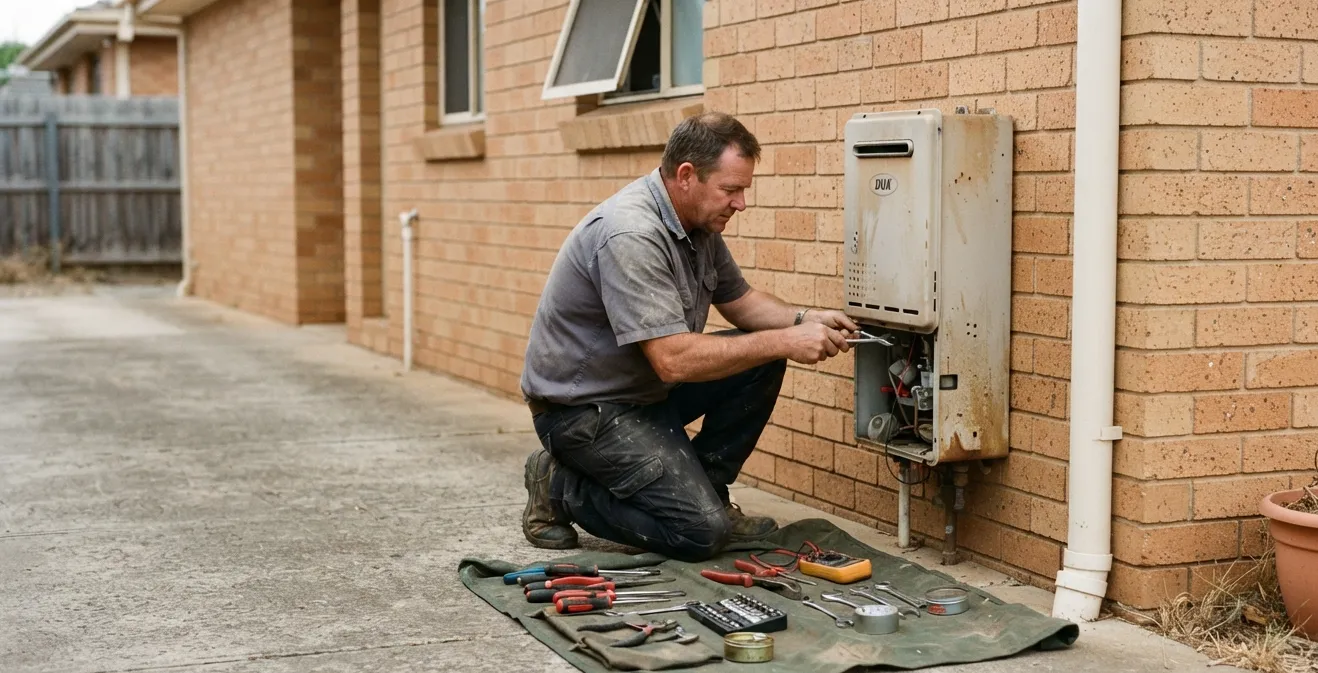 Maintenance you have not had yetHot water services, fences, ovens and roofs all fail eventually, and an average year is not a typical year. A property with no maintenance line in the sum is one where the maintenance simply has not happened yet.Averages hide it
From Market Pulse
Guides that go deeper
 Investor Playbooks
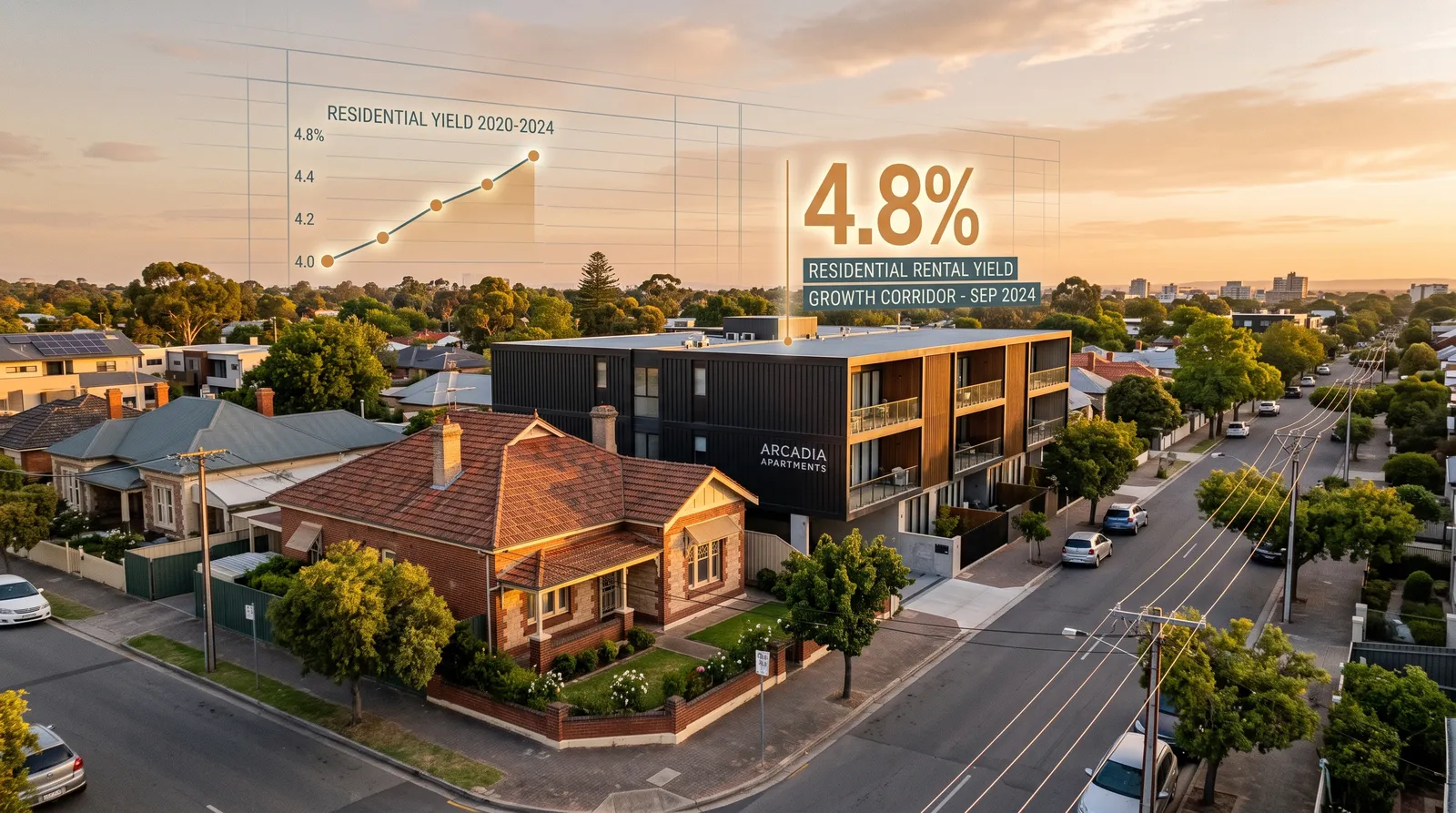
Is 4% a good rental yield? 2026 Australian benchmarks by city
Gross yields run from ~3.2% in Sydney to 6% in Darwin, and units beat houses by 1–1.5 points. 2026 benchmarks and the yield you need for positive cash flow.
 Investor Playbooks
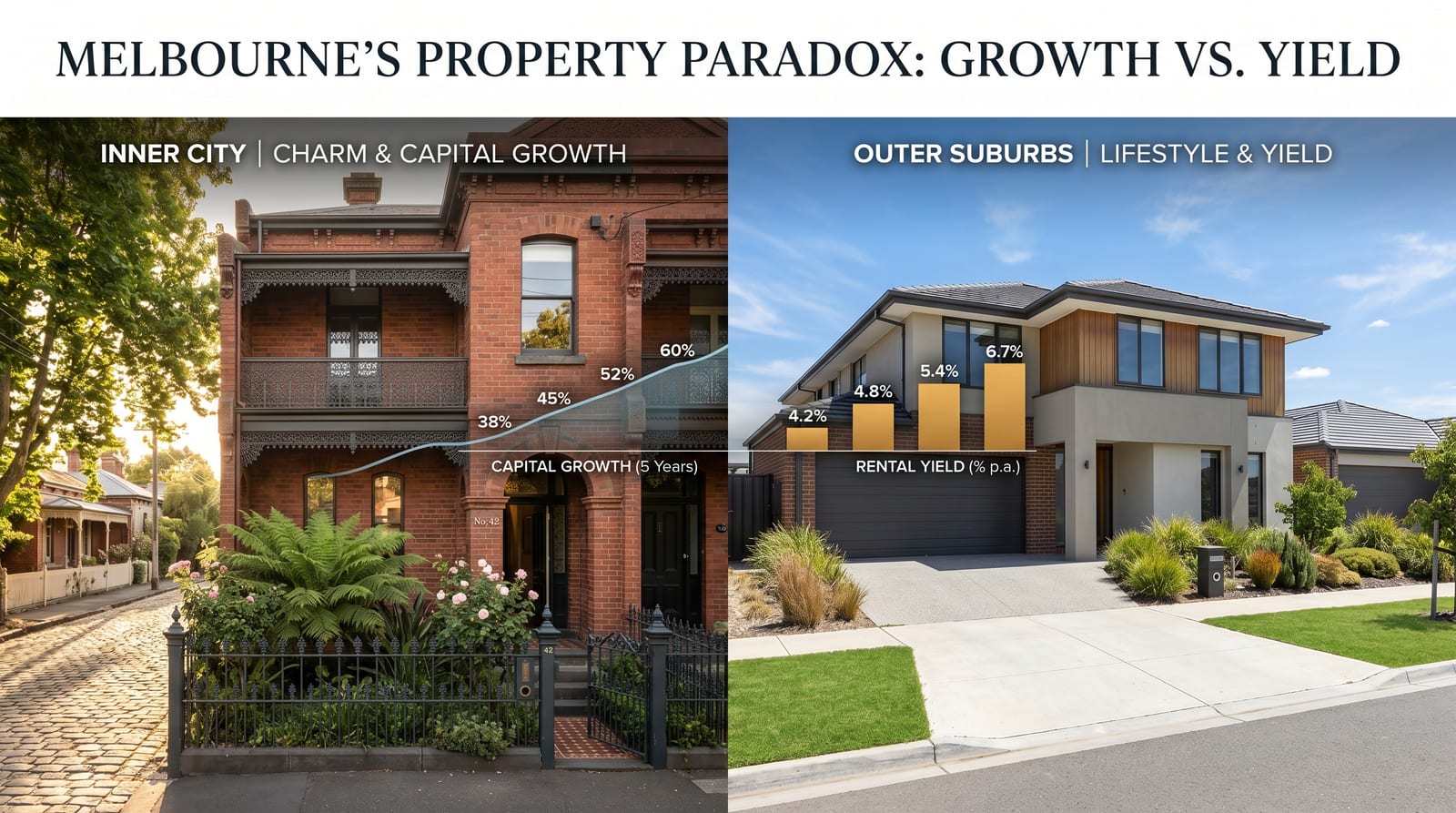
Capital growth vs rental yield Melbourne: what the 2026 data says
Chasing capital growth or rental yield in Melbourne? We break down the trade-offs, the 2026 suburb data, and the tax risks every investor needs to model before buying.
 Investor Playbooks
Best suburbs to invest in Melbourne under $500k: the 2026 unit shortlist
Best suburbs to invest in Melbourne under $500k in 2026: no house median qualifies, so these five unit markets pass yield, volume and growth tests.
Keep going
The rest of the sums
- Stamp dutyWhat the state charges you at settlement, and which concessions you get.
- RepaymentsWhat it costs each month, and how much sooner you could finish.
- Borrowing powerA quick sense of what you could borrow — and what would lift it.
- Capital growthWhere the value and your equity could sit in twenty years.
What is counted
Vacancy, management, council rates, insurance, strata and maintenance, plus loan interest when the purchase is geared. Every line is shown, not summarised. See our methodology.
What is not
Stamp duty, land tax, depreciation and the tax treatment of any loss. Cash flow here is before tax, so a negatively geared figure is the gross cost of holding it.
The rent is yours to set
We do not estimate rent. Use what the property leases for now, or what comparable places nearby have actually achieved.
The other half of the return
Yield is what it pays you. Growth is what it becomes.
Cash flow and capital growth usually pull against each other — the highest-yielding properties are rarely the fastest-growing. Worth looking at both before deciding which one you are buying.
An estimate, not advice. This calculator applies your own figures to a standard yield and cash flow method. It is not financial, taxation or investment advice, and nothing here is a recommendation about any property. It excludes stamp duty, land tax, depreciation, capital gains tax and the deductibility of losses, all of which depend on your circumstances. Land tax in particular is assessed across everything you own and cannot be worked out from one property. Confirm anything that decides a purchase with your accountant and your conveyancer.