Market Trends
Rates, budget measures, supply, and the shifts showing up in the data.
 Market Trends
Best area in Melbourne's west for growth potential: what 19 suburbs show in 2026
The best area in Melbourne's west for growth potential in 2026, compared across Melton, Wyndham, Brimbank, Hobsons Bay and the inner west.
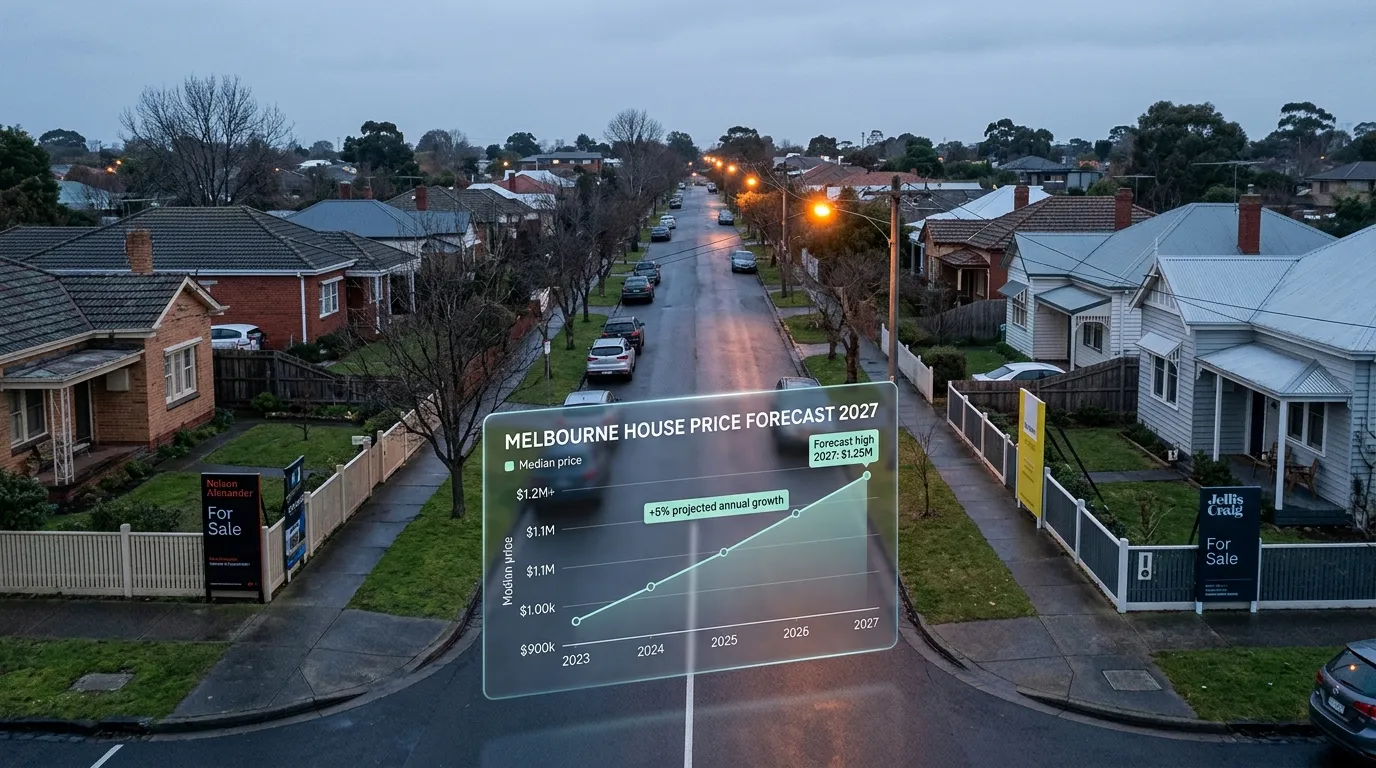
Melbourne house price forecast 2027: under $1 million again?
Domain's FY2027 forecast has Melbourne houses falling 4 to 8 per cent. ANZ has capital city prices rising in 2027. Both were published in 2026. Here is what separates them, and what it means for a buyer.
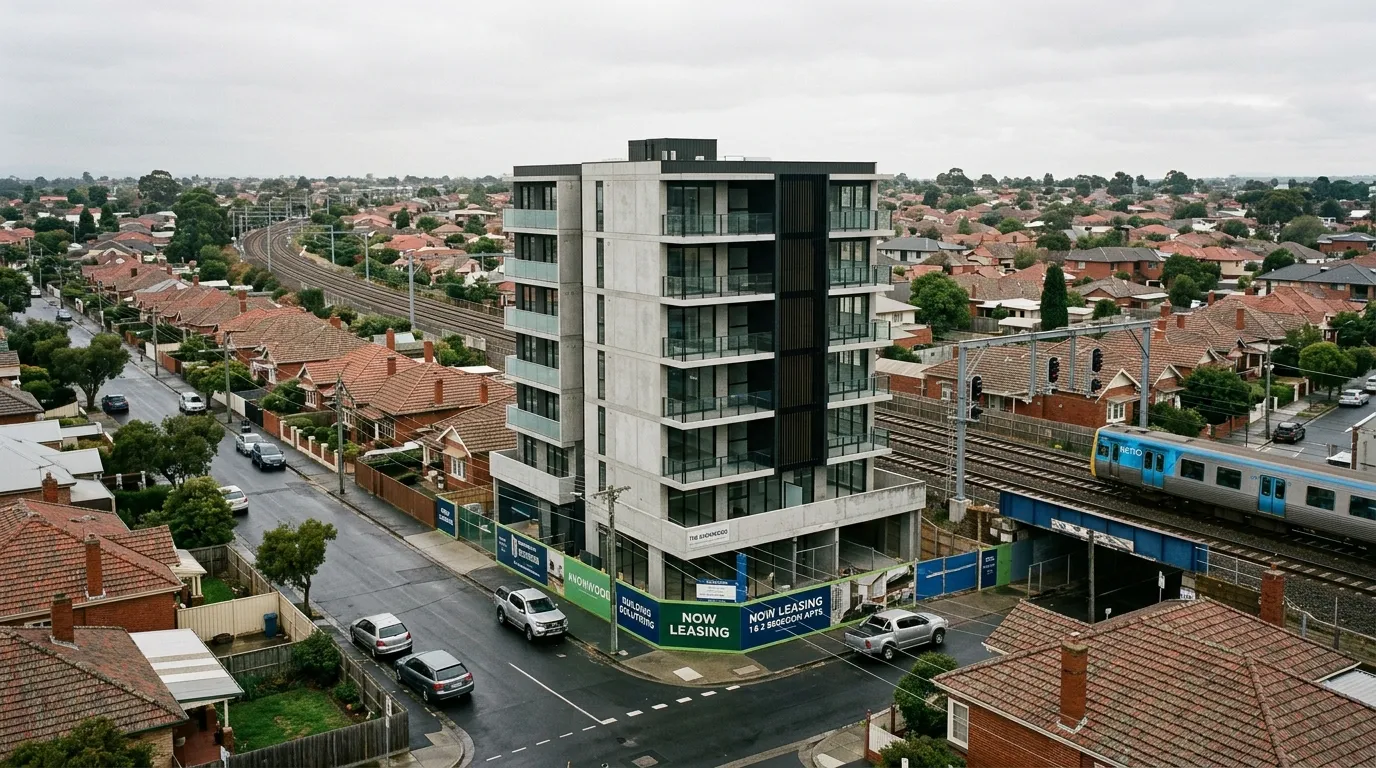
Victoria activity centre rezoning: what it actually changes for your suburb
Victoria's activity centre rezoning now covers 60 train and tram precincts, with towers up to 20 storeys. But zoned capacity and buildable capacity are two different numbers, and the gap is large.
The impact of interest rates on Victoria's property market in 2026
How the RBA's three 2026 rate hikes are reshaping Victorian property prices, which suburbs are most exposed, and what buyers and investors should watch before the June 16 decision.
The 2026 Australian Federal Budget: what property investors and wealth managers need to know
The 2026 Australian Federal Budget property investors must understand: CGT discount abolished, negative gearing quarantined, trust tax incoming. Here's what changed and how to respond.

Is Melbourne's luxury property market cooling in 2026?
The luxury property market Melbourne is sending mixed signals in 2026 — our comparable sales data tracks what's really happening across Toorak, Brighton, Hawthorn, and Kew.
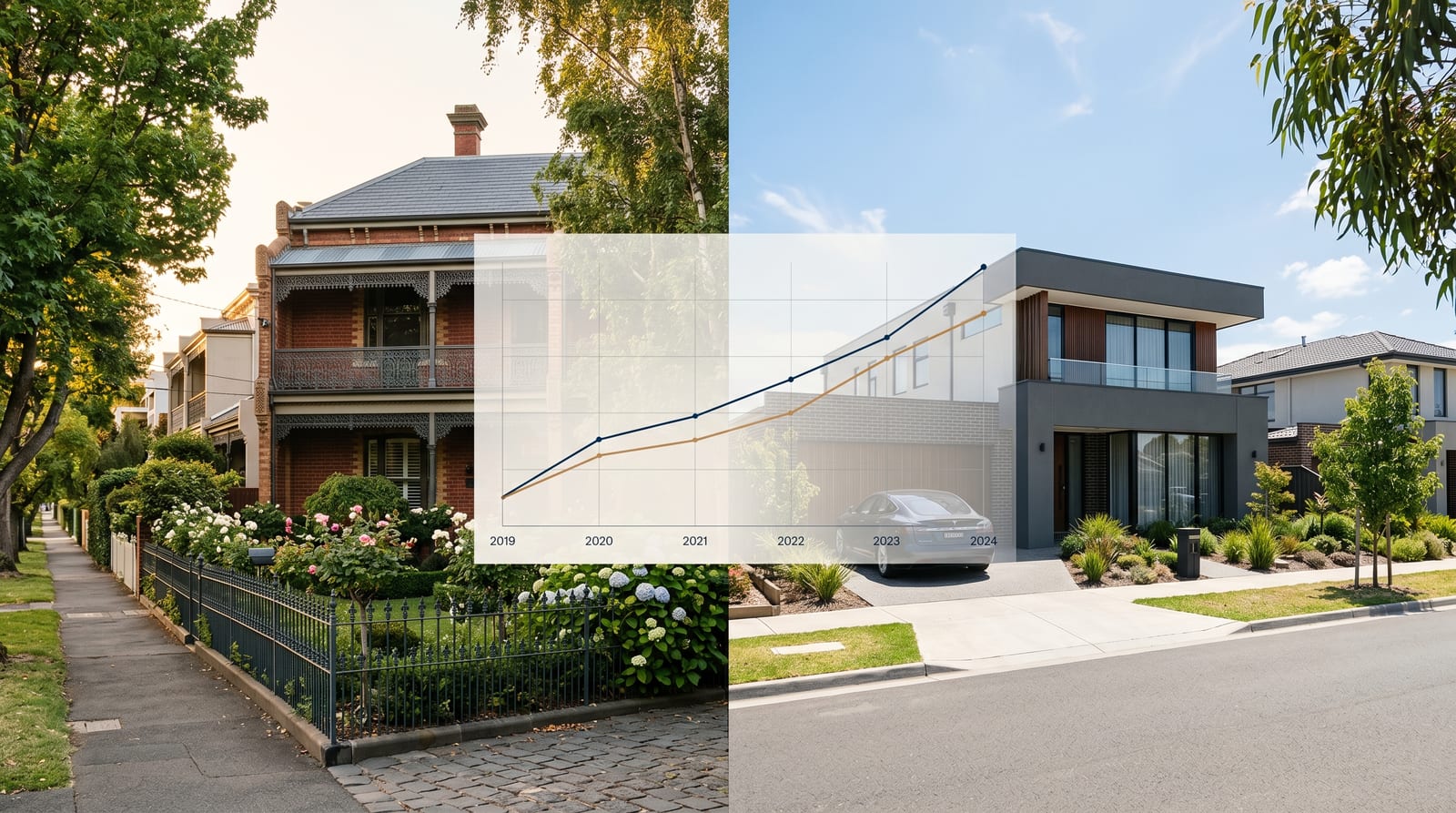
The future of proptech Australia: 2026 trends reshaping how you buy property
Proptech Australia has 519 active businesses, a USD $5B market value, and AI adoption surging. Here's what it means for property buyers in 2026.
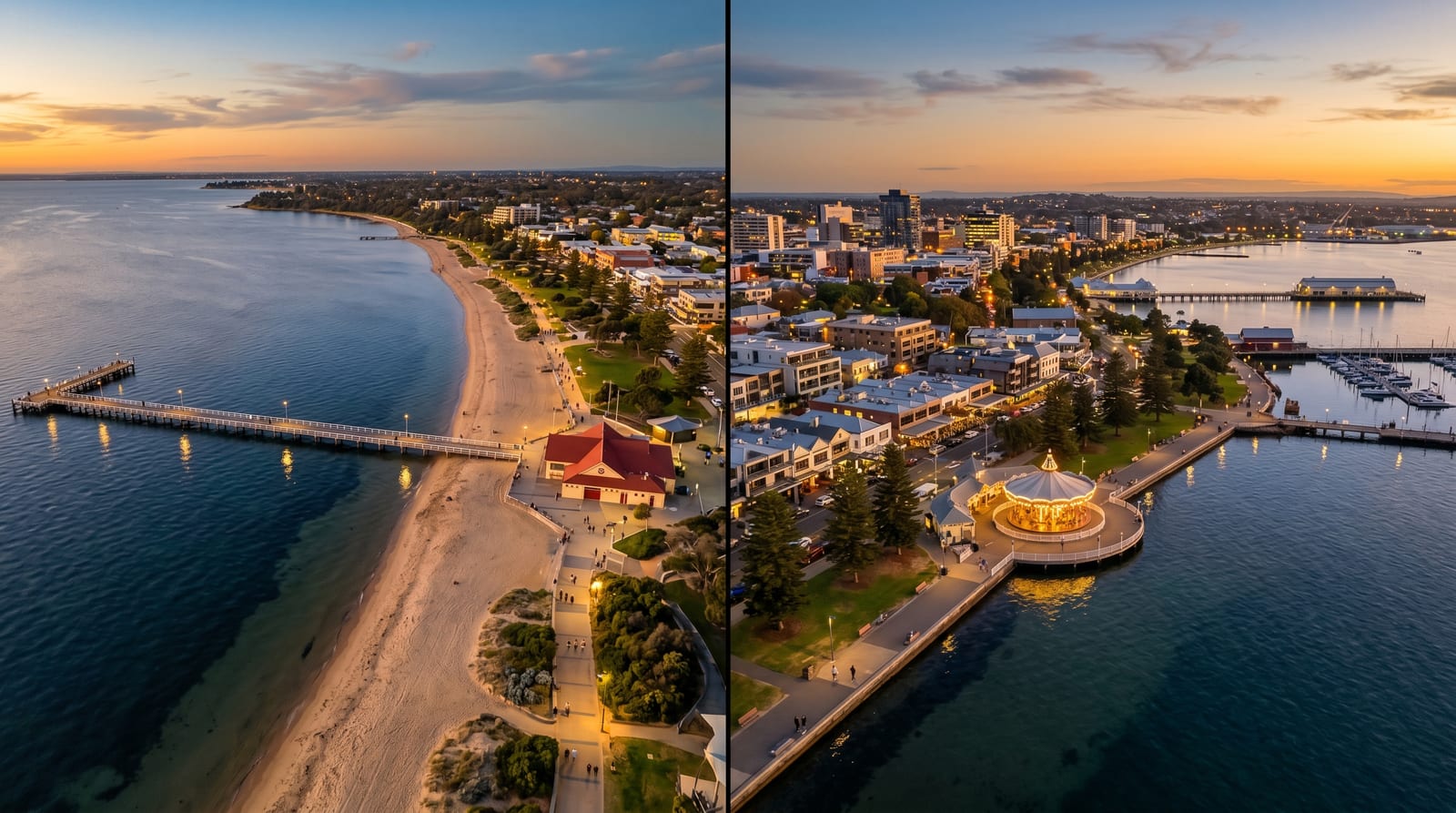
Metropolitan vs Rural Victoria: Where Is the Growth in 2026?
Frankston vs Greater Geelong, side by side: ABS demographics, last 12 months of sold prices, 10-year medians, and 12 months of building permits. The data is clearer than the headlines.