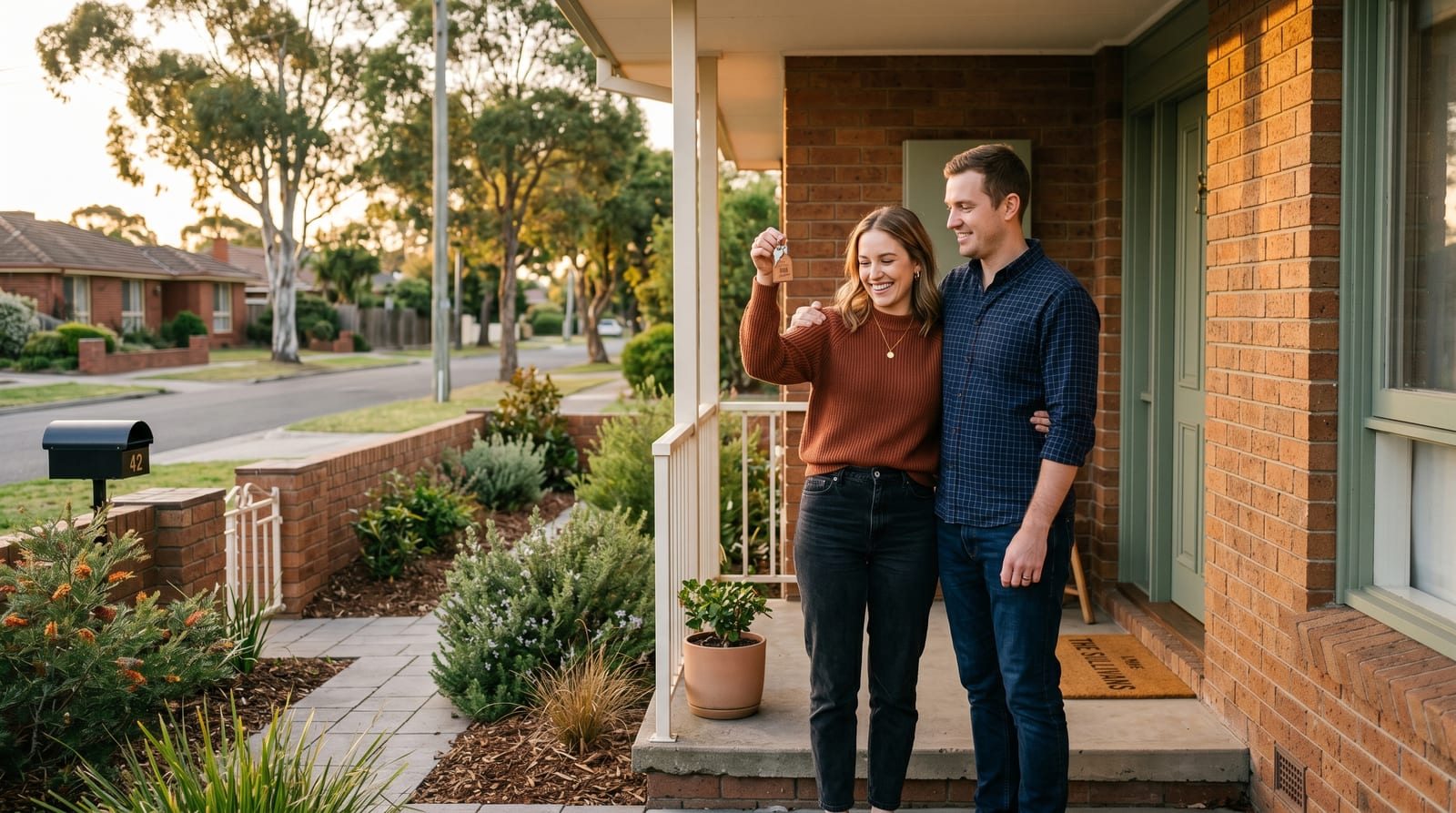
First home buyer suburbs in Victoria: the under-$700k shortlist for 2026
If you're looking for first home buyer suburbs in Victoria in 2026, the gap between the Melbourne median house price ($955,000 according to the REIV) and your actual budget can feel like a canyon. But houses still sell below $700,000 in a handful of solid Melbourne suburbs — and far beyond that in regional Victoria. The trick is knowing which suburbs, which government schemes genuinely stack up, and what the real risks are before you sign anything.
TL;DR
What this means for you
- Melbourne suburbs including Melton ($510k), Kurunjang ($562k), Dallas ($580k), Laverton ($605k), Brookfield ($601k), and Werribee ($656k) all sit below $700k with positive annual growth, per OpenAgent and The Alta.
- Victorian first home buyers pay zero stamp duty on purchases under $600,000; the First Home Guarantee now has unlimited places, no income limits, and a $950k price cap for Melbourne (since October 2025, per Housing Australia).
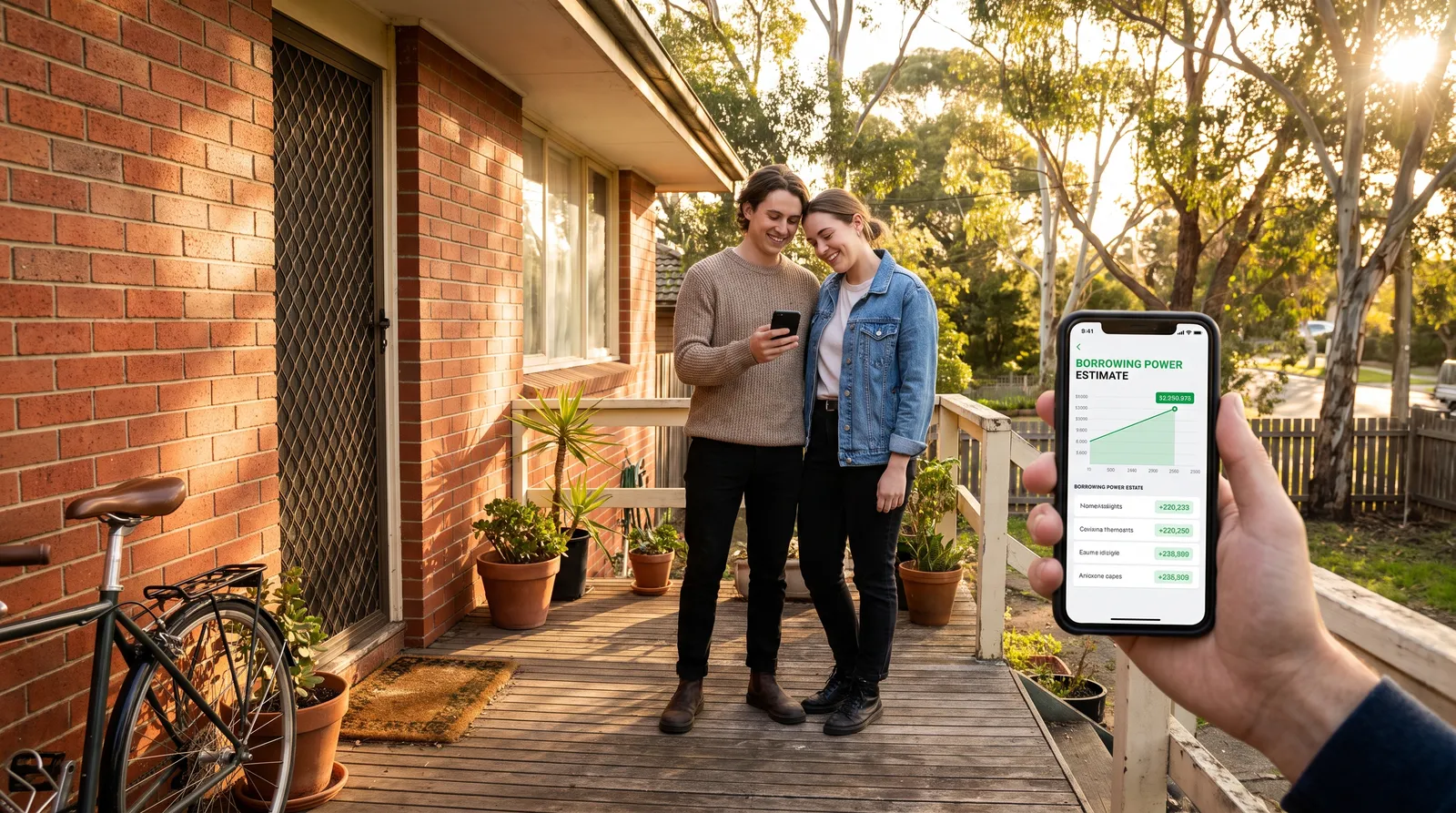
- The average first-home buyer mortgage hit $607,500 in December 2025 — a record. Budget carefully and stress-test your repayments before committing.
- Abora's Discover feature scores suburbs by your actual priorities — not just price — so you're comparing apples against apples.
The first home buyer's actual problem
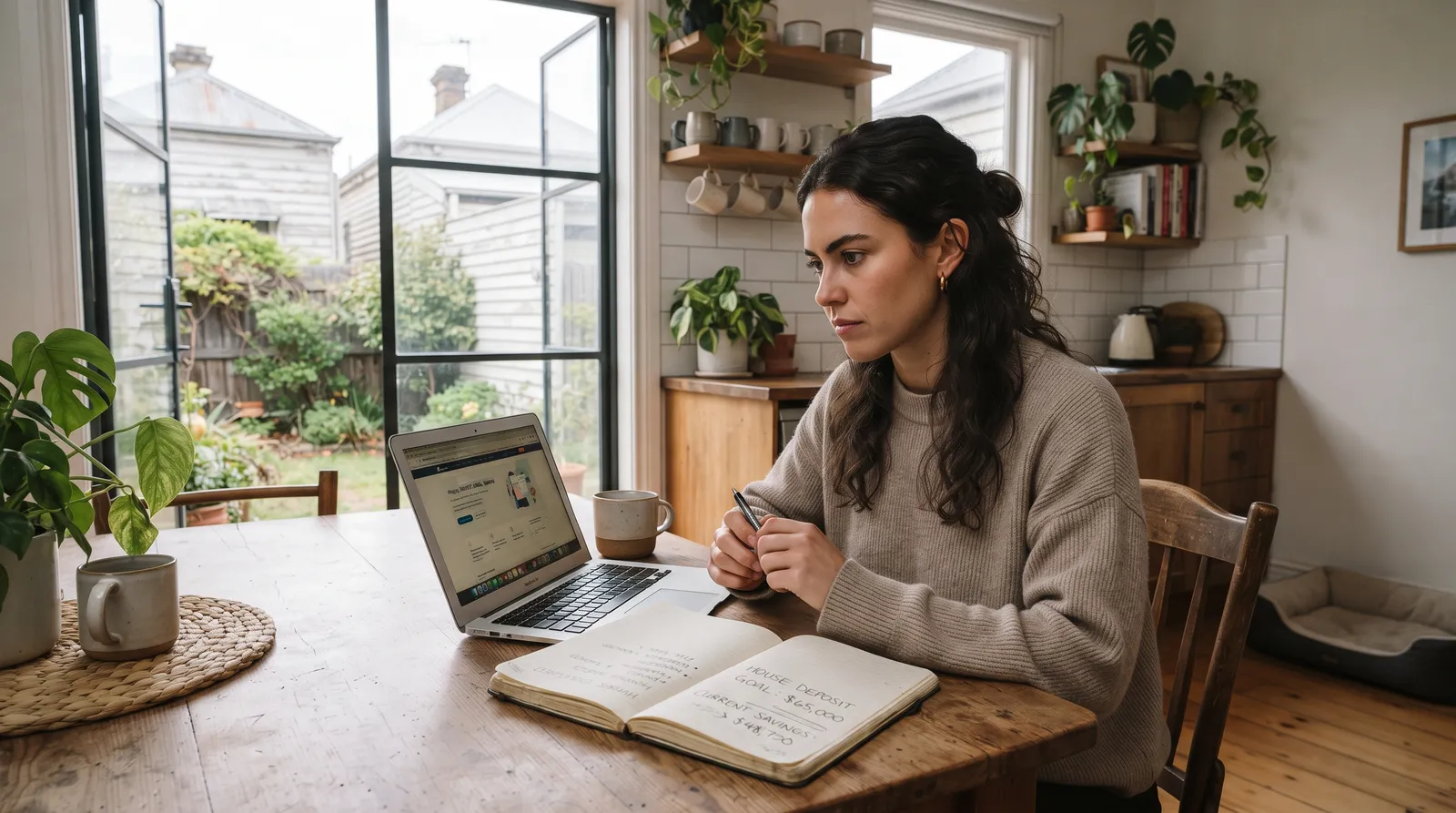
You've saved a deposit. You've bookmarked the scheme guides. And yet every suburb you shortlisted six months ago has quietly nudged past your ceiling since then. The problem isn't a lack of information — it's the opposite. Every "best suburbs" list is written for a generic buyer. None of them know your commute tolerance, your family plans, or whether you'll tolerate a one-hour train ride in exchange for a backyard.
This guide focuses on what actually matters: where you can afford to buy, what government money is available, and what could go wrong.
The best first home buyer suburbs in Victoria under $700,000
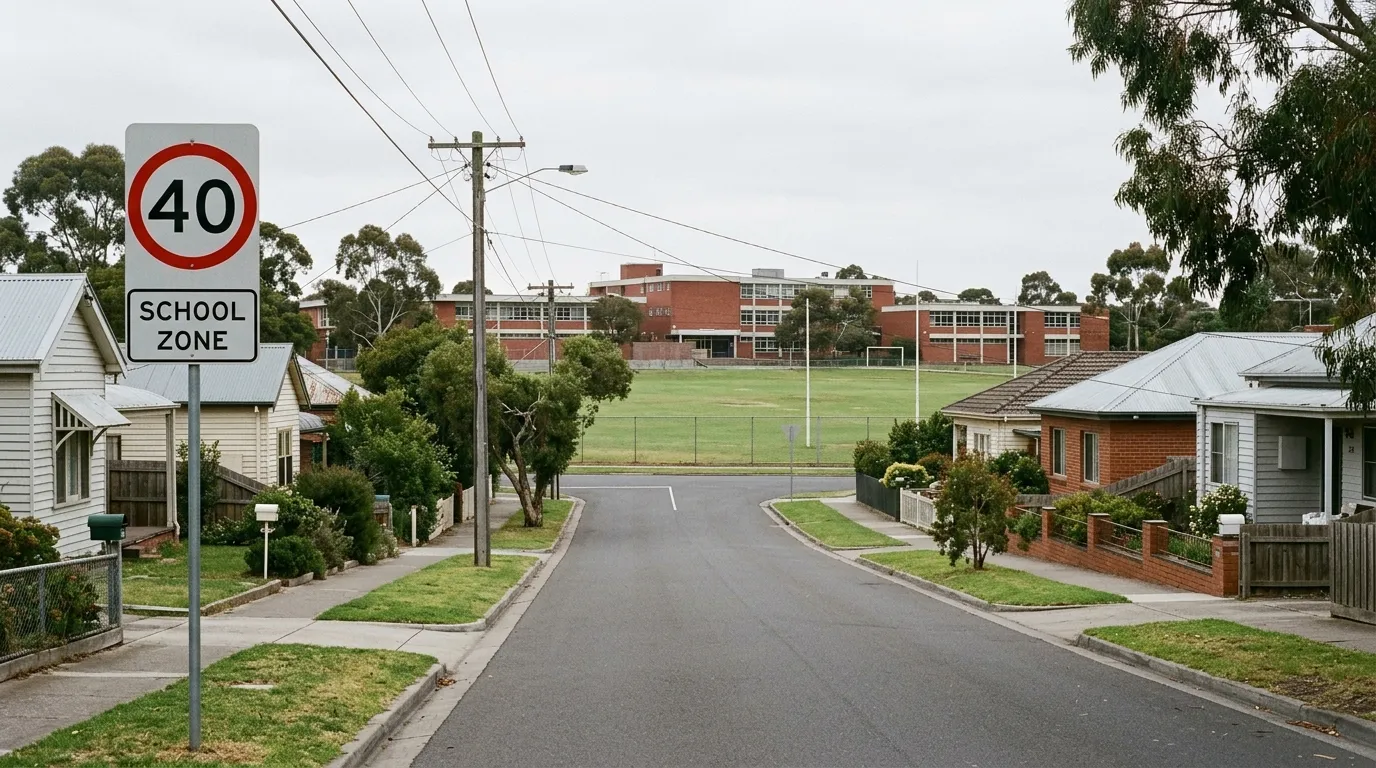
In 2026, Melbourne's most affordable house-buying suburbs cluster in the western and northern growth corridors, where medians run from $510,000 to under $700,000 — genuine entry points, with growth rates that compare favourably to the city median.
According to OpenAgent's analysis of recent sales data and The Alta's 2026 first home buyer guide, here are the standout options at or below the $700,000 mark:
| Suburb | Median house price | Annual growth | Rental yield | Key draw |
|---|---|---|---|---|
| Melton | $510,000 | +8.5% | 4.2% | Rail station, Woodgrove SC, 30.8% five-year growth |
| Melton South | $560,000 | — | — | One of Melbourne's most affordable pockets |
| Kurunjang | $561,500 | +8.0% | — | 27% five-year growth |
| Dallas | $580,000 | +6.9% | 4.5% | Northern corridor, highest yield in group |
| Brookfield | $601,000 | +8.5% | — | 20.2% five-year growth |
| Laverton | $605,000 | +2.5% | — | Western corridor, near rail |
| Werribee | $655,750 | +7.5% | 3.6% | New schools, medical precinct, freeway access |
Craigieburn — another consistently popular pick — sits just above the threshold at $705,000 with 9.0% annual growth according to The Alta, and may still be worth considering if your budget has a little flex.
Regional Victoria substantially extends the shortlist. Greater Shepparton sits around $510,000 with house rental yields above 4.8%. Ararat and Mildura both come in below $650,000, which also positions them under the First Home Guarantee's regional price cap. The REIV reports regional Victoria's median house price reached $640,000 in early 2026, growing at 6.7% annually — outpacing Melbourne's 4.4%.
Government schemes that actually apply
Three schemes are meaningful for Victorian first home buyers in 2026 and can be combined.
1. First Home Owner Grant — $10,000 cash
A $10,000 grant for new builds (house, townhouse, apartment, or unit) valued under $750,000. You must live in the property as your principal place of residence for at least 12 months within 12 months of settlement, per the State Revenue Office.
2. Stamp duty exemption and concession
- Under $600,000: zero stamp duty
- $600,001–$750,000: partial concession (scaled by purchase price)
On a $580,000 purchase in Dallas, you pay no stamp duty — a saving of up to $31,000 compared with a standard buyer. That's a meaningful addition to your deposit buffer, or it reduces the amount you need to borrow.
3. First Home Guarantee — 5% deposit, no Lenders Mortgage Insurance
Lenders Mortgage Insurance (LMI — the insurance lenders charge when your deposit is less than 20%) can add $10,000–$30,000 to your upfront costs. The First Home Guarantee eliminates that cost by allowing eligible buyers to purchase with just a 5% deposit, with the government guaranteeing the remaining 15%.
As of 1 October 2025, the scheme has unlimited places and no income limits, according to Housing Australia. Victoria's price cap under the scheme is now $950,000 for Melbourne and regional centres (raised from $800,000), and $650,000 for the rest of the state. Over 30 participating lenders offer it.
Bonus: off-the-plan stamp duty concession
The Victorian government extended the temporary off-the-plan stamp duty concession through to April 2027. If you're considering a new apartment or townhouse, this may reduce your upfront duty further — speak to a licensed conveyancer for your specific situation.
What the data actually shows
The REIV's February 2026 data puts Melbourne's median house price at $955,000 (up 4.4% year-on-year) and the median unit price at $645,000 (+3.2%). The affordable suburbs in this shortlist sit between 47% and 68% below the Melbourne house median — a gap wide enough to matter when stress-testing your repayments.
Properties in Melbourne are also selling faster: the REIV reports days on market fell to 34 days in early 2026, down from 43 days a year prior. In competitive suburbs like Werribee and Dallas where demand from first home buyers and investors overlaps, that compressed timeline means pre-approved finance is not optional — it is essential.
Rental markets remain tight. Melbourne's vacancy rate sits at 2.6% with median house rents at $580 per week, per the REIV. For first home buyers weighing whether to rent a little longer before buying, that context matters: high rents erode the "wait and save" strategy faster than many expect.
The Abora Advantage: suburb selection paralysis solved
The problem: You've shortlisted eight suburbs across two articles, watched a YouTube video about Melton, and still can't decide which one actually fits your situation. Every "best suburbs" list was written for a generic buyer — not for someone with a 40-minute commute tolerance, a firm $620,000 budget, and a child starting school in two years.
How Abora solves it: Abora's Discover feature scores every suburb across eight dimensions — then re-weights those scores based on your priorities. You define your budget, your commute anchor, your preferred property type, and the things that matter most to you. Abora then ranks suburbs not by median price alone, but by how well they match your specific profile.
For a first home buyer targeting sub-$700k options, two dimensions do the heaviest lifting:
hard_fit— does this suburb actually have properties within your price bracket that match your bedroom count and property type? A suburb with a $600k median where 90% of recent sales were units — when you want a house — needs this filter applied before you waste a weekend at open homes.value— is the suburb fairly priced relative to comparable recent sales nearby? Consistent annual growth in Melton and Kurunjang is compelling, but Abora'svaluedimension cross-checks whether individual listings sit at, above, or below comparable sales — so you're buying a fair deal within the trend, not overpaying for the trend itself.
Rather than reading another shortlist, explore these suburbs directly on Abora's suburb browser with your own weights applied.
How Abora scores this
hard_fit: Abora's hard_fit score weighs whether a property meets your non-negotiable filters — price ceiling, bedroom count, property type, parking spaces. For a buyer with a firm $700,000 cap, any listing above budget scores near zero on hard_fit regardless of how attractive it looks. This removes aspirational properties from your working list and ranks only realistic options.
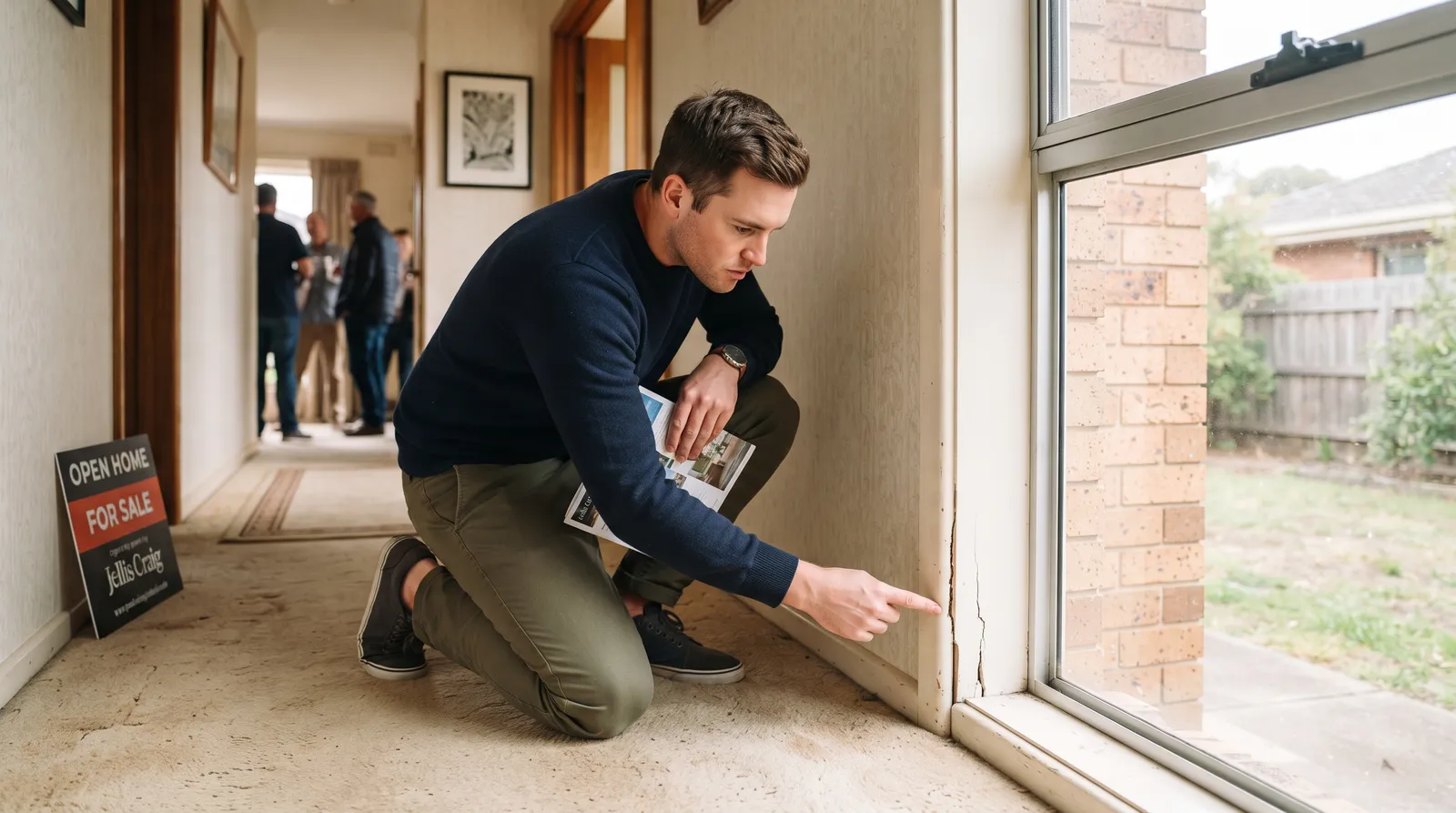
risk: Abora's risk score weighs flood zones, bushfire overlays, road noise proximity, and planning overlays. In outer-growth corridors like Melton or Werribee — where some parcels sit near industrial precincts or in lower-lying flood-mapped areas — the risk dimension surfaces what a listing photo never will. Spending five minutes on Abora's risk breakdown before attending an open home is the equivalent of reading council planning overlays — without spending two hours on a government portal.
Risks and counter-arguments
FAQ
Q: What suburbs in Victoria can first home buyers afford under $700,000 in 2026?
In 2026, Melbourne suburbs including Melton ($510,000), Kurunjang ($561,500), Dallas ($580,000), Brookfield ($601,000), Laverton ($605,000), and Werribee ($655,750) all sit below the $700,000 mark. Regional Victoria offers even lower entry points, with Greater Shepparton around $510,000 median.
Q: Do first home buyers pay stamp duty in Victoria?
No — if you're buying under $600,000, Victoria's stamp duty exemption means you pay nothing. For properties priced between $600,001 and $750,000, you receive a partial concession that scales with the purchase price. These thresholds are set by the State Revenue Office and have not changed in the 2026–27 budget.
Q: What is the First Home Guarantee and how does it work in Victoria?
The First Home Guarantee lets eligible buyers purchase with a 5% deposit and avoid Lenders Mortgage Insurance (LMI). As of October 2025, the scheme offers unlimited places with no income limits, per Housing Australia. In Victoria, the price cap is $950,000 for capital city and regional centres, and $650,000 for other areas. More than 30 lenders participate.
Q: Is it a good time for first home buyers to enter the Victorian market in 2026?
Melbourne's relative underperformance versus other state capitals, combined with the removal of income limits on the First Home Guarantee, make 2026 a meaningful entry window. But rising average mortgage sizes and SQM Research's forecast of up to 4% Melbourne price declines mean the risk of negative equity is real for low-deposit buyers. Budget conservatively — don't borrow your maximum.
Q: Can I combine the First Home Owner Grant and the 5% deposit scheme?
Yes. The $10,000 First Home Owner Grant (for new builds under $750,000) and the First Home Guarantee (5% deposit, no LMI) can be combined, subject to each scheme's separate eligibility criteria. Confirm the specifics with a participating lender or licensed mortgage broker.
Q: What tools can help me compare first home buyer suburbs in Victoria?
Abora's Discover feature scores suburbs across eight dimensions — including hard_fit, value, commute, and risk — and re-weights them to match your priorities. Rather than reading another generic shortlist, you can filter by your real budget, preferred property type, and commute tolerance to get a ranked shortlist built for you.
This content is for informational purposes only and does not constitute financial, investment, legal, or tax advice. Property investment involves risk, including potential loss of capital. Past performance is not indicative of future results. Market conditions can change rapidly. Always conduct your own due diligence and consult a licensed financial adviser, accountant, or solicitor before making any property investment decision.
Sources
- State Revenue Office Victoria2026-05-01
First home buyers pay no stamp duty on purchases up to $600,000 and receive a concession on properties priced between $600,001 and $750,000.
- Housing Australia2025-10-01
From 1 October 2025, the First Home Guarantee offers unlimited places with no income limits. Victoria's price cap for capital city and regional centres rose from $800,000 to $950,000.
- Real Estate Institute of Victoria (REIV)2026-03-01
Melbourne's median house price reached $955,000 in February 2026, up 4.4% annually. Regional Victoria showed stronger momentum at 6.7% annual growth, reaching a $640,000 median. Days on market fell to 34 from 43 a year prior.
- OpenAgent2026-01-01
Melton has Melbourne's lowest median house price at $510,000 (8.5% annual growth, 30.8% five-year growth). Dallas sits at $580,000 with 6.9% annual growth and a 4.5% rental yield. Kurunjang at $561,500 saw 8% annual and 27% five-year growth.
- The Alta2026-01-01
Werribee has a median house price of $655,750 with 7.5% annual growth, new schools, shopping centres and medical precincts, and a 3.6% rental yield. Craigieburn's median reached $705,000 with 9.0% annual growth.
- MacroBusiness2026-03-01
The average first-home buyer mortgage hit $607,500 in December 2025, a record 8.3% quarterly increase. Roy Morgan estimates 28.9% of Victorian mortgage holders would be 'At Risk' if rates rise further. Three 0.25% rate hikes would add approximately $291 per month to repayments.
- MacroBusiness2026-03-01
SQM Research forecasts Melbourne house prices could fall by up to 4% through 2026, creating negative equity risk for buyers who entered with a 5% deposit.