First home buyer scheme 2026: price cap traps and how to navigate them
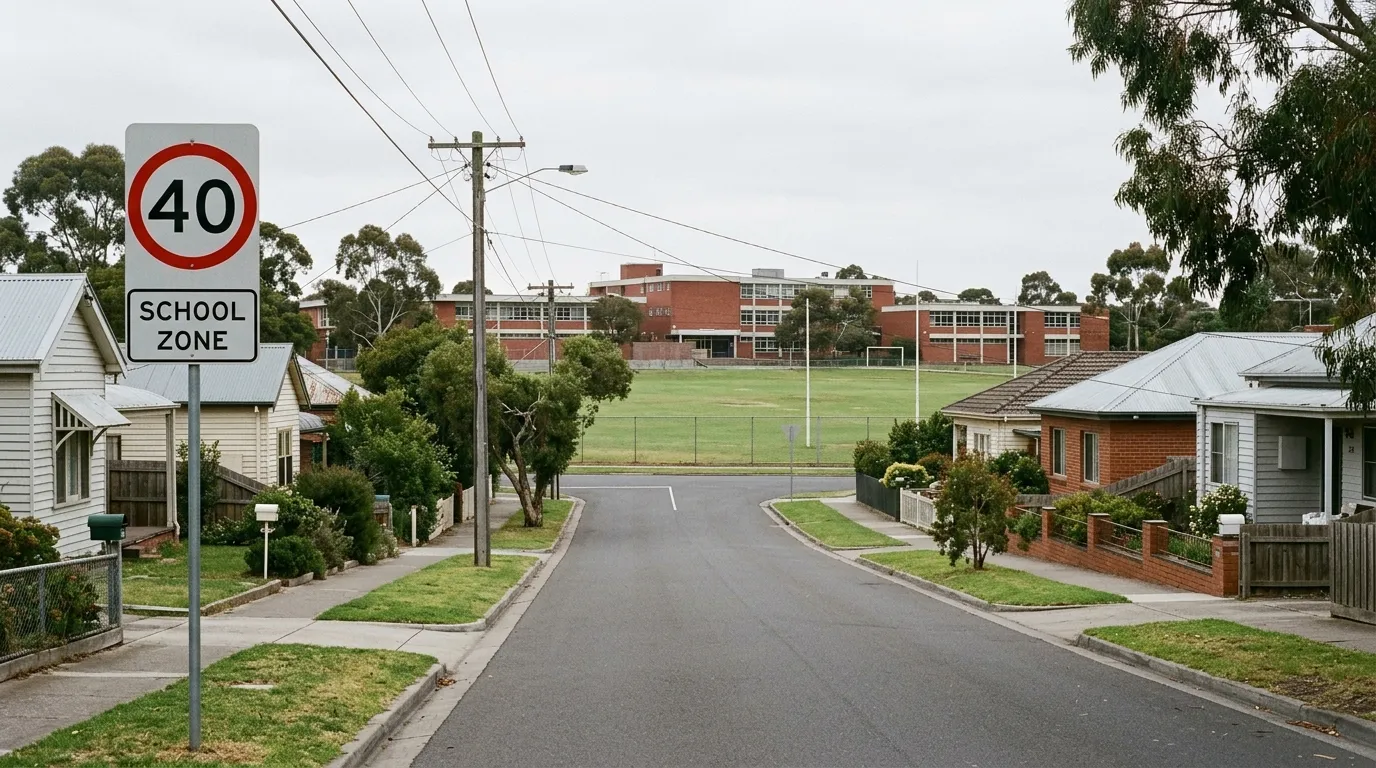
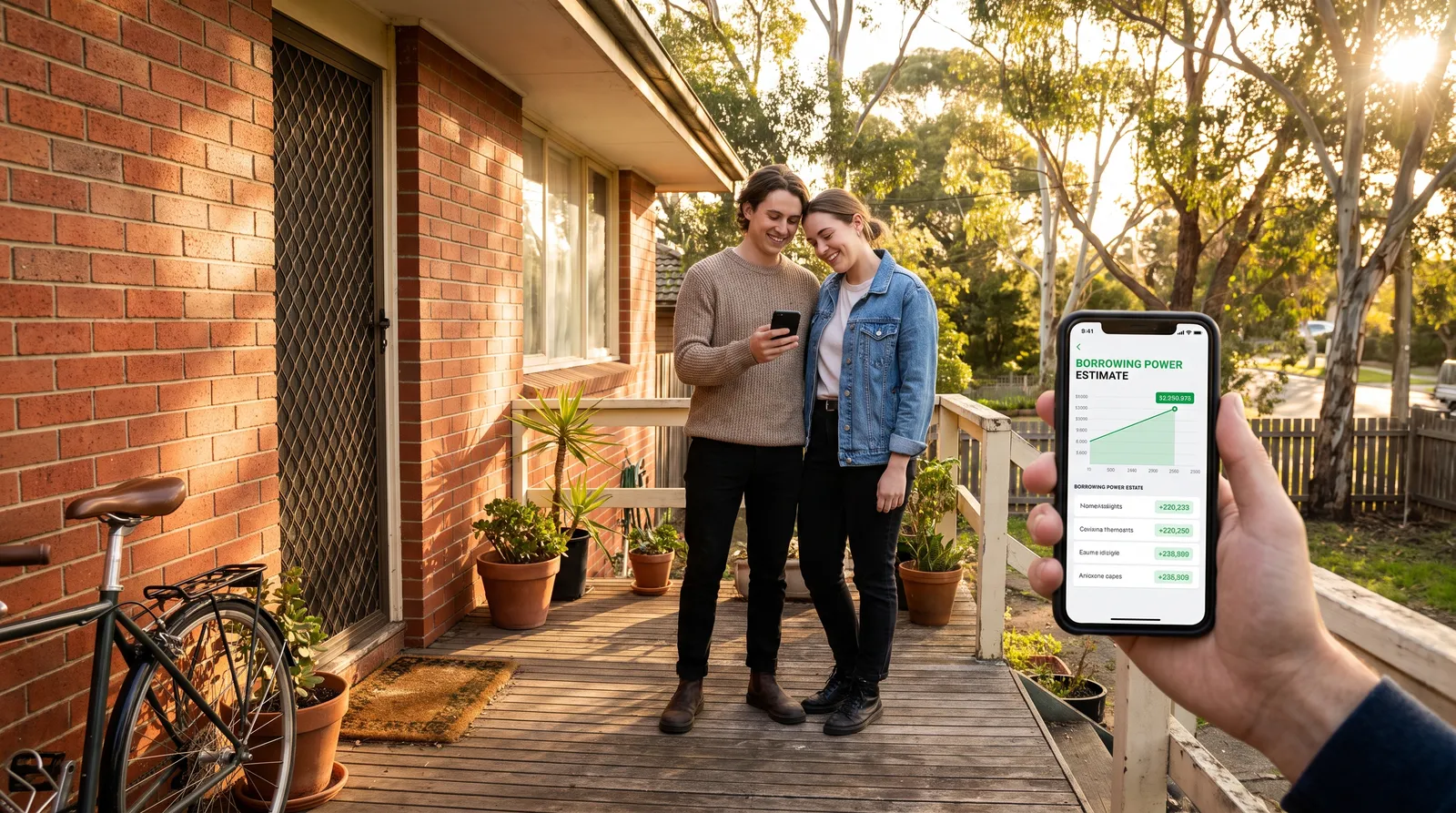
You have scraped together 5%. Now what? The first home buyer scheme 2026 just had its biggest overhaul in years — but bigger does not mean simpler. The price cap that locks you in or out of the scheme is now $950,000 in Melbourne, there are no longer any income or place limits, and yet the traps that can cost you tens of thousands of dollars are still sitting quietly in the fine print. This guide shows you exactly where they are — and which suburbs give you the best shot at getting in without overstretching.
What this means for you
- From 1 October 2025, the First Home Guarantee has no income cap and no annual place limit — every eligible buyer with a 5% deposit can now apply, per Housing Australia.
- The VIC price cap for Melbourne and Geelong rose from $800,000 to $950,000, opening suburbs such as Frankston ($854,000 median) and Glenroy ($866,500) that were previously off the table.
- Buying a single dollar above $950,000 in Melbourne voids the guarantee entirely — full lenders mortgage insurance (LMI) or a 20% deposit required.
- Suburbs below the scheme cap grew 6.7% in the six months to March 2026, versus 3.6% above it, according to Cotality — scheme demand is already inflating the suburbs you are targeting.
- Abora's
hard_fitandvaluescores filter suburbs by your exact budget and show whether any property is priced fairly against recent comparable sales.
How does the first home buyer scheme work in Victoria in 2026?
The First Home Guarantee lets eligible buyers purchase with a 5% deposit; the government guarantees the remaining 15%, removing the need to pay lenders mortgage insurance. In Victoria, the cap is $950,000 in Melbourne and Geelong, and $650,000 elsewhere. Income and place caps were removed in October 2025.
That is the structure. The detail matters because three separate government schemes can stack for the right purchase — or deliver far less than buyers expect.
First Home Guarantee (federal): 5% deposit, government guarantees 15%, no LMI required, covers new builds and established homes, capped at $950,000 in Melbourne. No income test, no place cap, per Housing Australia.
First Home Owner Grant (VIC state): $10,000 cash payment for new or never-occupied properties valued up to $750,000, per the State Revenue Office Victoria. Existing homes are excluded entirely.
Stamp duty exemption (VIC state): No duty on properties up to $600,000; a concession applies up to $750,000, per the State Revenue Office Victoria. Above $750,000, full duty applies.
A buyer purchasing a brand-new house-and-land package in Craigieburn at $580,000 can access all three — zero stamp duty, a $10,000 grant, and no LMI. A buyer purchasing an established $850,000 home in Glenroy gets only the First Home Guarantee. Understanding which schemes you qualify for — and which caps apply — changes the true cost of your purchase by up to $45,000.
What the data actually shows — Melbourne suburbs within the scheme
Abora's sold-listings database tracks the 12 months to April 2026. The suburbs below each represent a different position on the risk-reward spectrum for scheme-eligible buyers in Melbourne.
| Suburb | Median house price | 12-mo sales | Buffer to $950k cap | Mortgage stress (2021) |
|---|---|---|---|---|
| Wyndham Vale | $606,000 | 497 | $344,000 | n/a |
| Craigieburn | $697,500 | 746 | $252,500 | 22.1% |
| Mernda | $751,000 | 327 | $199,000 | 17.0% |
| Epping | $760,000 | 347 | $190,000 | 18.8% |
| Caroline Springs | $800,000 | 280 | $150,000 | 16.6% |
Craigieburn had the highest sales volume in metropolitan Melbourne in the 12-month period — 746 houses — giving buyers genuine choice and making exit conditions manageable. Abora's suburb insights rate Craigieburn at 70 out of 100 for first home buyer fit (per Abora suburb intelligence), driven by its young median age of 32, separate-house dominance at 89.2%, and above-average household income of $1,798 per week at the 2021 census.
High liquidity, young family community, affordable entry. Mortgage stress at 22.1% is the key risk to price carefully.
Established amenity, diverse family suburb, affordable rent base. Below-average personal income warrants serviceability review.
Above-average household income, strong family presence, but 55.1% of properties are mortgaged — high collective leverage.
Highest income in this group. Median touched $840,750 in Q4 2025 — price volatility near the old $800k cap illustrates the cliff risk.
Caroline Springs' quarterly price history makes the cap-cliff argument concrete. Per Abora's sold-listings database, its median rose to $840,750 in Q4 2025 — above the then-cap of $800,000 — before falling to $777,500 in Q1 2026. Buyers seeking scheme eligibility in that quarter were locked out entirely. The new $950,000 cap gives Caroline Springs a $150,000 buffer, but the volatility shows how quickly market conditions can shift.
The Abora Advantage: Scheme Eligibility Confusion Solved
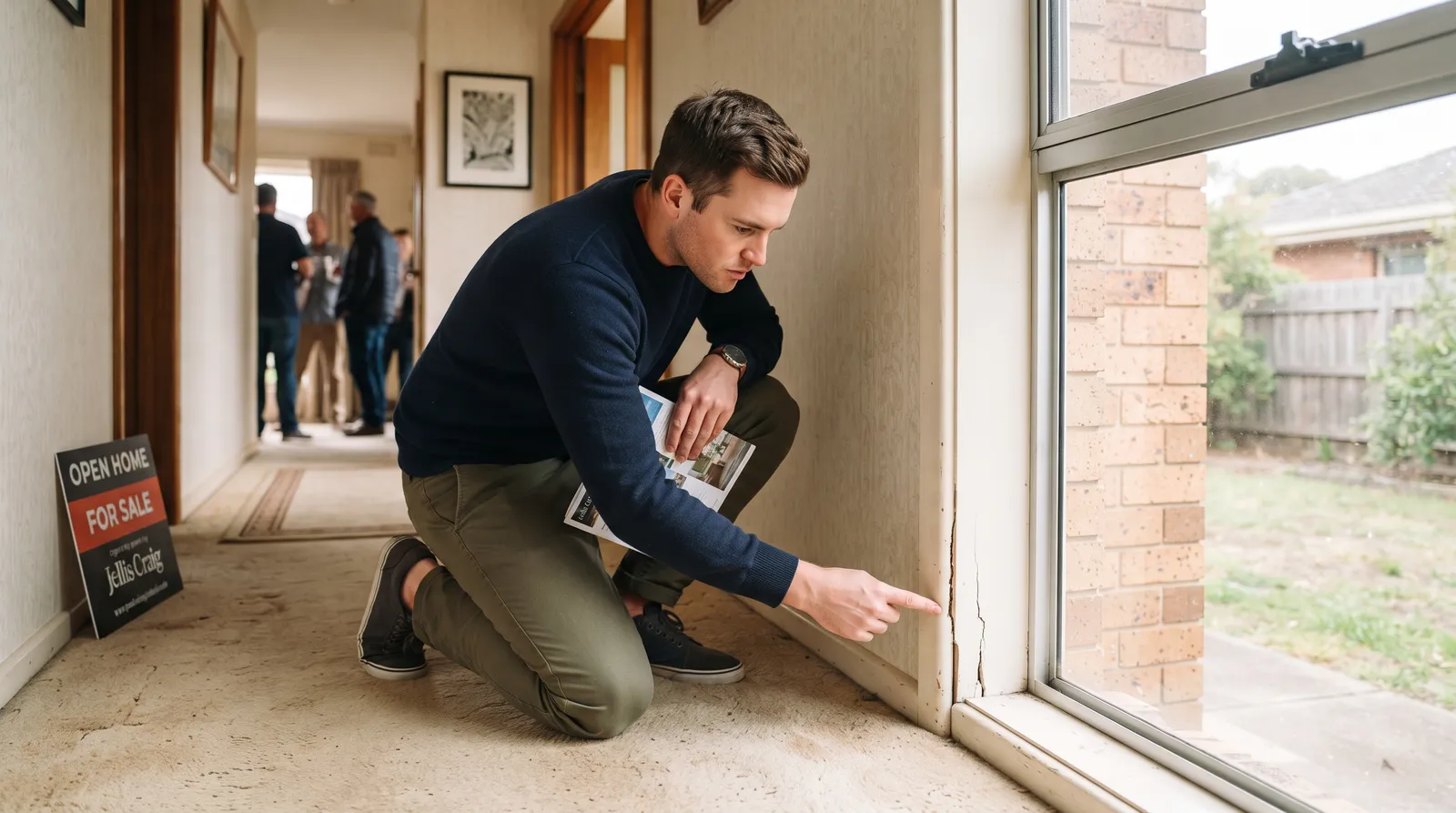
First home buyers face a specific problem: three separate government schemes, each with different caps, different eligible property types, and real financial consequences for crossing any one threshold by a single dollar. Most buyers are managing this across three government websites, for dozens of suburbs at once, while also running affordability calculations in a spreadsheet and attending weekend inspections.
That is the gap Abora fills. Open the Discover workspace and set your maximum budget. Abora's hard_fit score immediately ranks every suburb in its database by whether the local median sits inside your price range. If you set $750,000, suburbs where the median sits at $780,000 fall down the list — not because they are bad suburbs, but because the data says you would be competing above the middle of that market with limited room for error.
Once a suburb makes the shortlist, Abora's value score compares the asking price of any specific property against recent comparable sales in the same area. For scheme-eligible buyers, this is the primary safeguard against paying a scheme-driven premium on top of a market that has already moved. Browse the suburbs directory to start building your shortlist.
How Abora scores this
Abora's hard_fit score weighs whether a property meets your non-negotiable filters — price range, bedrooms, property type, and parking. For first home buyers navigating the First Home Guarantee, that means any suburb where the median sits above your budget and the scheme cap is automatically deprioritised in the ranked results. Craigieburn and Epping rank ahead of Caroline Springs for a $750,000 buyer because the data supports actually buying there at the median — not hoping the next auction beats the market.
Abora's value score weighs how a property's asking or sale price compares to recently sold comparable properties nearby. For scheme-eligible suburbs where Cotality has documented 6.7% price growth in six months, paying above the comparable-sales range is a quantifiable risk — not just a hunch. The score surfaces that gap before you submit an offer.
Common counter-arguments and risks
FAQ
How does the first home buyer scheme work in Victoria in 2026?
The First Home Guarantee lets eligible buyers purchase with a 5% deposit; the federal government guarantees the remaining 15% to the lender, eliminating the need to pay lenders mortgage insurance. In Victoria, the cap is $950,000 in Melbourne and Geelong, and $650,000 elsewhere. Income caps and place limits were removed in October 2025, per Housing Australia.
What is the First Home Guarantee price cap in Victoria?
In Melbourne and Geelong, the cap is $950,000, raised from $800,000 effective 1 October 2025 per Housing Australia. All other Victorian locations use a $650,000 cap.
Can I use the First Home Guarantee on an existing home?
Yes — the guarantee covers both new builds and established homes. The First Home Owner Grant ($10,000) is only available on new or never-occupied properties valued up to $750,000, per the State Revenue Office Victoria.
Do first home buyers pay stamp duty in Victoria?
No stamp duty applies to properties valued up to $600,000. A concession applies between $600,001 and $750,000. Properties above $750,000 attract full stamp duty, per the State Revenue Office Victoria.
What happens if I buy above the $950,000 price cap?
The First Home Guarantee does not apply. You would need either a 20% deposit or would pay LMI — Canstar estimates $28,000–$35,000 on a $950,000 Melbourne property at 5% deposit.
Which Melbourne suburbs work well within the scheme?
Abora's sold-listings database shows Craigieburn ($697,500 median, 746 sales), Pakenham ($697,500, 743 sales), Tarneit ($670,000, 719 sales), Epping ($760,000, 347 sales), and Mernda ($751,000, 327 sales) all recorded house medians well below $950,000 in the 12 months to April 2026. Browse the full shortlist on Abora's suburb directory.
This content is for informational purposes only and does not constitute financial, investment, legal, or tax advice. Property investment involves risk, including potential loss of capital. Past performance is not indicative of future results. Market conditions can change rapidly. Always conduct your own due diligence and consult a licensed financial adviser, accountant, or solicitor before making any property investment decision.
Sources
- Housing Australia2025-09-25
VIC capital/regional centre cap raised from $800,000 to $950,000 effective 1 October 2025; income caps and annual place limits removed entirely
- State Revenue Office Victoria
$10,000 First Home Owner Grant for new or never-occupied properties valued up to $750,000 in Victoria
- State Revenue Office Victoria
First home buyers pay no stamp duty on properties valued up to $600,000; a duty concession applies from $600,001 to $750,000
- Cotality (formerly CoreLogic)2026-03-01
Properties below the scheme price cap grew 6.7% in the six months to March 2026 versus 3.6% for above-cap properties; share of Melbourne suburbs with house medians below the cap fell from 48.6% to 39.5%
- Smart Property Investment2025-11-01
IMF cautioned the scheme adds price pressures; KPMG analysis acknowledges scheme increases competition in entry-level segments, pushing prices higher and benefiting existing owners
- Canstar
LMI saving at 5% deposit on a $950,000 Melbourne property estimated at $28,000–$35,000; no income cap and no annual place limit from October 2025
- Felix Finance2026-01-01
Serviceability buffer applied at approximately 9% (lender rate plus 3%); any purchase above the price cap voids the guarantee entirely